

R.I.P. Unhosted Wallet Rule
The 2020 FinCEN unhosted wallet proposal has arguably been dead for years, but now it's official.
In 2020, the Financial Crimes Enforcement Network proposed imposing know-your-customer requirements on unhosted wallets, drawing immense backlash from the crypto industry. This week, the Treasury Department formally withdrew the proposal.
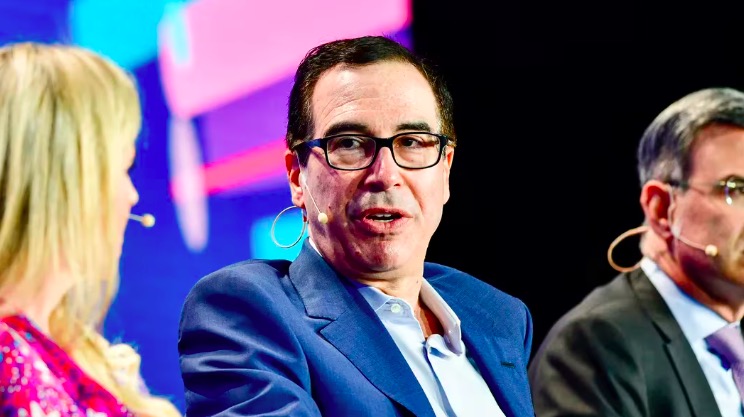
In the closing days of the Donald Trump presidency, the U.S. Treasury Department – through the Financial Crimes Enforcement Network, its financial crimes watchdog – issued a proposal for imposing know-your-customer requirements on unhosted wallets. This proposal was seen as being technically impossible to comply with for most wallets, given they aren't companies or entities and therefore don't normally record that type of personal data.
At the time, the proposal drew a huge amount of backlash. Lawmakers (including from the then-president's own party), company leaders and lobbyist groups all pushed back against the proposal, which was spearheaded by then-Treasury Secretary Steven Mnuchin. Legal experts noted that the proposal's reporting requirements and definitions were too vague to be practically useful. It was also unclear how exactly exchanges or other entities might be able to implement the proposed rules.
The industry scored a major victory against the proposal after an initial comment period was extended by 15 days, ensuring that President Joe Biden would be in office and Trump/Mnuchin would not be.
The rule kind of popped its head up here and there, but was never seriously considered again. Finally on Aug. 19, 2024, the entire proposal was officially withdrawn.
Michael Mosier, the former acting director of FinCEN, told CoinDesk the withdrawal, "shows that public servants see value in first collaboratively engaging risk/opportunity through innovation and empowerment around the financial equivalent of mobile phones, rather than rushing to limit people to landlines, switchboard operators, mailed checks, and everyone’s home address in a public phone book to keep them 'safe.'
Another proposal from FinCEN – also from the tail end of 2020 – remains alive. This proposal would implement the Travel Rule, a Financial Action Task Force regime that looks to take on money laundering via crypto by having financial institutions report personal information for the senders and receivers of transactions over a certain limit.
The original 2020 proposal set the limit at $250, well below the $3,000 threshold currently set for similar financial reporting, but this week's notice did not mention any adjustment to the threshold.
In a tweet, Mosier said the inclusion only tells the White House Office of Management and Budget that Treasury may take action on this proposal.
"Items can be on there for many years but not move," he said.
Need crypto payments for your online business?
Explore iCronPay products and public pricing, then sign up through the portal.